

Nike React Foam How It Works and Why It Matters
Searching for the perfect balance of softness, durability, and energy return? Enter Nike React Foam. In the ever-evolving world of athletic footwear, finding a cushioning system that delivers on all fronts has always been the holy grail. For years, runners and sneaker enthusiasts had to compromise: a soft shoe would bottom out quickly, a durable shoe felt too firm, and a highly responsive shoe lacked the plush comfort needed for everyday wear. Then came Nike React.
In this comprehensive guide, we’ll dive deep into the mechanics of Nike React Foam, exploring its development, its unique benefits, and why it has revolutionized both running and lifestyle sneakers. Whether you’re looking for an in-depth react foam review or you’re planning to buy react foam sneakers, understanding the technology behind the bounce will help you make an informed decision.
What Exactly is Nike React Foam?
Nike React Foam is a proprietary cushioning compound developed entirely in-house by Nike’s innovation team. Unlike traditional EVA (ethylene-vinyl acetate) foam, which has been the industry standard for decades, React is a synthetic rubber compound. This chemical shift is the secret behind its unique properties.
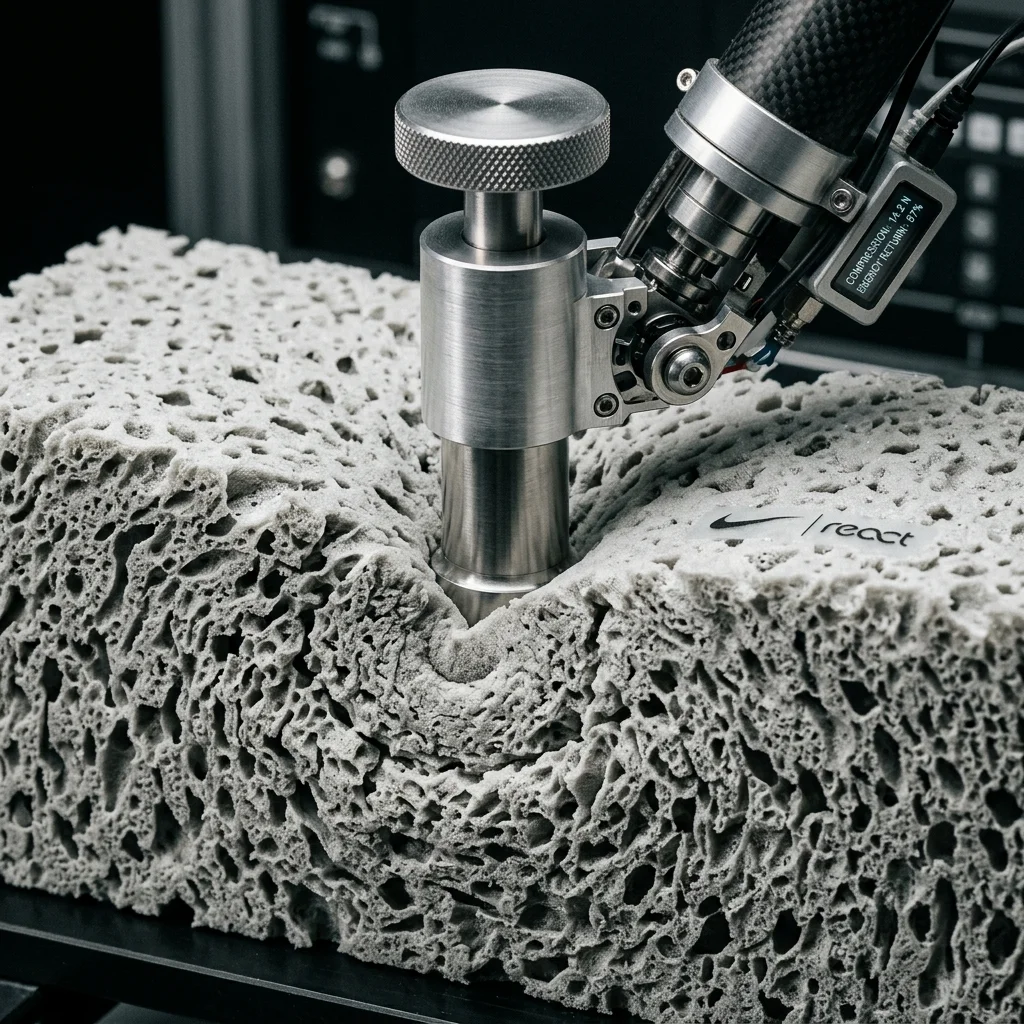
The goal was ambitious: to create a foam that is simultaneously soft, lightweight, durable, and responsive. Typically, these traits are at odds with one another. Soft foams absorb energy but don’t give it back, making you feel like you’re running in sand. Responsive foams are bouncy but often feel rigid. React manages to bridge these gaps, offering a ride that feels incredibly plush yet surprisingly springy.
The Rigorous Development Process
The creation of React wasn’t an overnight success; it was the result of years of meticulous research and testing. Nike’s chemists and engineers tested over 400 different chemical combinations before landing on the perfect formula.
To ensure the foam could withstand the rigors of high-impact sports, it was initially debuted in basketball shoes like the React Hyperdunk 2017. Basketball demands quick lateral movements, explosive jumps, and heavy landings. If the foam could survive the hardwood, it could thrive anywhere. After passing the basketball test with flying colors, Nike optimized the formula for running, logging over 17,000 miles of testing with elite and everyday runners.
Core Benefits: Why React Foam Matters
1. Unprecedented Softness and Comfort
The most immediate sensation when stepping into a React-equipped shoe is the step-in comfort. The foam compresses easily under your body weight, molding to the contours of your foot and relieving pressure points. This makes it an exceptional choice for those who spend long hours on their feet.
2. Impressive Energy Return
While it feels soft, React doesn’t absorb all your kinetic energy. Thanks to its synthetic rubber composition, the foam springs back to its original shape instantly, propelling you forward. This responsiveness translates to a more efficient running stride and less fatigue over long distances.
3. Long-Lasting Durability
One of the biggest flaws of soft EVA foams is that they pack out—meaning they lose their cushioning properties after a few hundred miles. React foam is remarkably resilient. Testing has shown that even after extensive mileage, the foam retains its structural integrity and cushioning feel, ensuring your shoes last significantly longer.

React in Performance Running vs. Lifestyle Sneakers
While originally engineered for performance, Nike quickly realized that the comfort of React foam was perfect for everyday wear. The technology sparked a revolution in lifestyle footwear. Models like the Nike React Element 87 and the Nike React Vision brought avant-garde aesthetics combined with unparalleled all-day comfort.
In the running sphere, shoes like the Nike Epic React Flyknit and the Nike Pegasus (which now incorporates React foam) have become staples for runners seeking a reliable, cushioned daily trainer. The versatility of the foam allows it to be tuned differently depending on the shoe’s intended purpose.
How Does React Compare to Other Technologies?
React vs. Nike Air
While Nike Air relies on pressurized gas encapsulated in tough polyurethane pouches, React is a solid foam. Air units provide a distinct, bouncy sensation and excellent impact protection. React, on the other hand, offers a more uniform, smooth, and consistent underfoot feel. Many modern Nike shoes actually combine both technologies, using React foam as a carrier for Zoom Air units to provide the best of both worlds.
React vs. ZoomX
ZoomX is Nike’s premier racing foam (made from Pebax), known for being insanely light and offering the highest energy return. However, ZoomX is less durable and more expensive. React is slightly heavier but far more durable, making it the superior choice for daily training and lifestyle shoes.
Is Nike React Good for Standing All Day?
Absolutely. If your job requires you to be on your feet for extended periods, the sustained cushioning and pressure relief provided by React foam can significantly reduce foot and joint fatigue. The supportive nature of the foam prevents your feet from sinking too far, maintaining proper alignment throughout the day.
Conclusion
Nike React Foam is more than just a marketing buzzword; it represents a genuine leap forward in material science. By successfully combining softness, responsiveness, and durability, it has set a new benchmark for what we expect from our footwear. Whether you’re clocking marathon miles or just navigating the urban jungle, the experience is undeniably smooth.
Ready to experience the responsive bounce of React Foam today? Check out our top picks and shop the Nike Air Max 270 React ENG Travis Scott Cactus Trails for a premium blend of style and cutting-edge cushioning.
Frequently Asked Questions (FAQs)
How long does Nike React foam last?
Nike React foam is highly durable. For running shoes, you can typically expect between 300 to 500 miles of optimal performance. For casual lifestyle wear, the cushioning can remain comfortable for years depending on usage.
Does React foam crease easily?
Due to its soft nature, it is normal to see some visual creasing on the sidewalls of React foam midsoles after a few wears. However, this aesthetic creasing does not negatively impact the cushioning performance or structural integrity of the shoe.
Can you wash Nike React shoes in the washing machine?
It is generally not recommended to put React shoes in the washing machine, as the heat and agitation can damage the upper materials and potentially warp the foam. It is best to clean them by hand using a soft brush, mild soap, and cold water.