

Nike’s Innovations Technology Shaping Performance
Nikes Innovations Technology Shaping Performance
How does a simple piece of footwear transform into a high-performance engine for the human body? For Nike, the answer is a relentless pursuit of technological innovation. This isn’t just about shoes; it’s about a lab dedicated to unlocking human potential. Nike’s journey from the revolutionary waffle iron concept to world-record-breaking carbon plates embodies a culture of perpetual advancement, forever pushing the boundaries of what athletic footwear can achieve. Each product, from an entry-level trainer to an elite marathon shoe, represents years of research and a deep understanding of biomechanics.
The core message remains unwavering: every stitch, foam compound, and design choice is engineered to provide a tangible edge—whether you’re an elite marathoner seeking milliseconds off your personal best or simply desiring superior comfort on your daily walk. We delve into the vast universe of Nike’s extensive sneaker lineup, showcasing a brand that meticulously crafts each shoe with purpose. This article will deconstruct the core technologies that define Nike’s performance dominance. We’ll explore the evolution of their revolutionary cushioning systems, dissect their advanced upper materials, and analyze the structural science that provides stability and propulsion. Get ready to discover the science that helps athletes break barriers and how you can leverage it to achieve your own personal bests.
What is the Core Philosophy Behind Nike’s Innovation Engine?
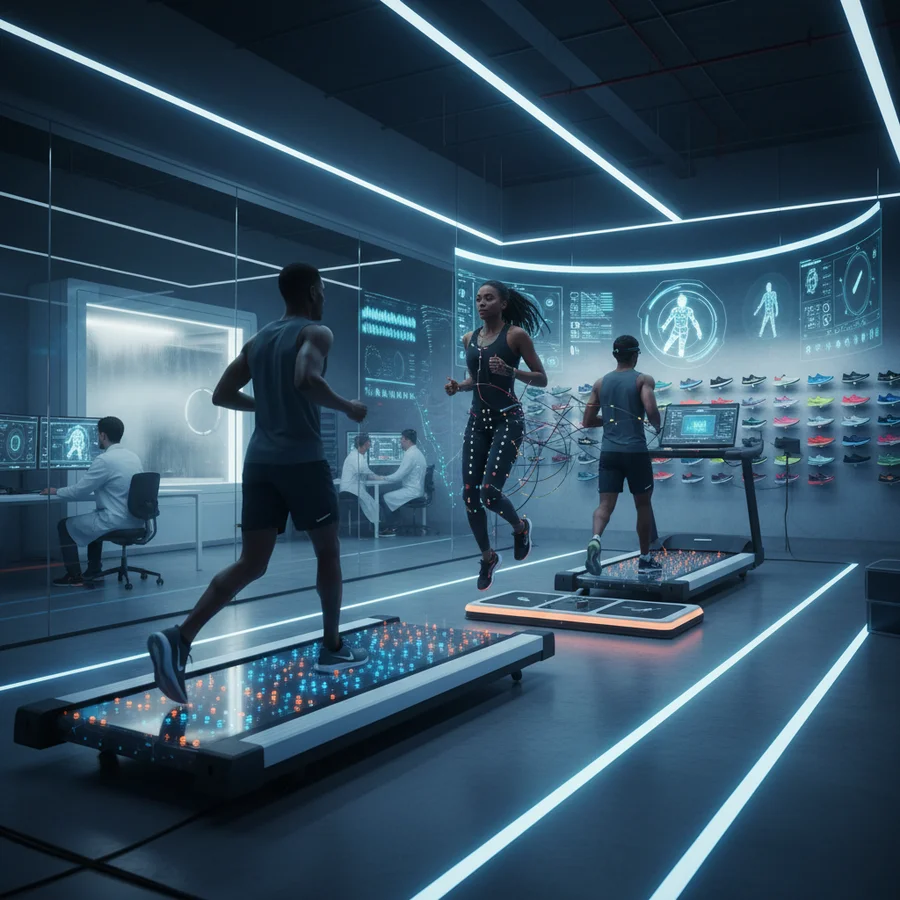
At its heart, Nike’s innovation engine is driven by a profound understanding of human movement and performance data, coupled with an unwavering commitment to athlete-centric design. It’s less about building shoes and more about engineering solutions. This philosophy ensures that every innovation serves a specific need, from reducing impact forces to enhancing propulsion, directly addressing the physical demands placed on athletes across all disciplines. Their extensive research into sports science and biomechanics allows them to transform raw data into tangible performance benefits, continually refining their offerings to give athletes a competitive edge.
How does Nike use athlete feedback to drive new technology?
Nike’s relationship with athletes is a feedback loop fundamental to its success. The Nike Sport Research Lab (NSRL) is a sprawling facility where groundbreaking concepts meet rigorous testing, often on elite athletes themselves. Here, theories are validated, designs are iterated, and innovations are fine-tuned under real-world conditions. High-speed cameras capture every stride, pressure plates measure force distribution, and biometric sensors record vital data, all contributing to an iterative design process. This data-driven approach, combined with qualitative feedback from the athletes who wear-test these prototypes, ensures that technological advancements translate directly into improved athletic performance and comfort. This problem-solving design method focuses on specific challenges faced by athletes, creating solutions that truly matter.
What are the foundational principles guiding Nike’s tech development?
Nike’s technological development is guided by several foundational principles: lightweight construction, optimal energy return, and personalized fit. The pursuit of lightweight materials aims to minimize fatigue and maximize speed, making shoes feel like an extension of the foot rather than a burden. Energy return technologies, particularly in cushioning systems, are designed to recapture and return as much energy as possible from each stride, propelling the athlete forward more efficiently. Finally, a personalized, adaptive fit ensures that the shoe contours to the foot, providing targeted support and preventing discomfort or injury. These principles form the bedrock of every new design, promising superior running comfort, enhanced performance, and increased protection for athletes worldwide.
How Have Nike’s Cushioning Systems Revolutionized Athletic Performance?
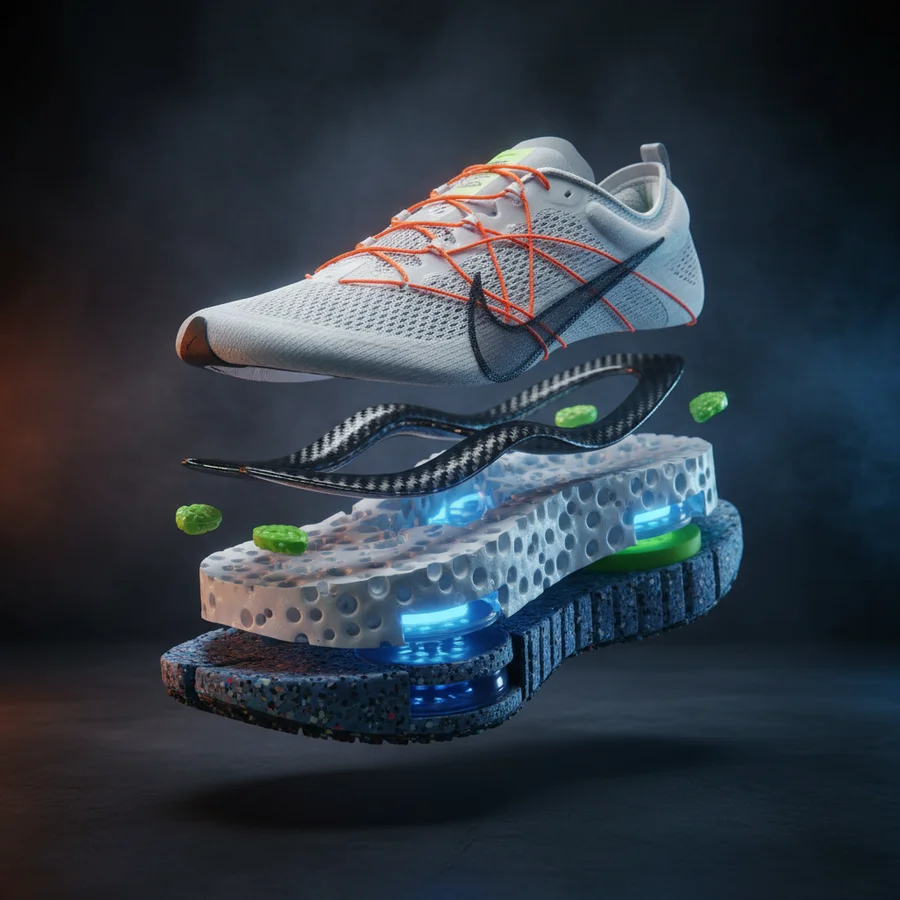
Nike’s groundbreaking cushioning systems have not just evolved footwear; they’ve revolutionized how athletes move, run, and compete. These innovations moved beyond simple foam, introducing dynamic elements designed for precise impact absorption and explosive energy return. From the street to the track, Nike’s cushioning science is engineered to enhance every aspect of athletic movement, providing critical advantages in comfort, protection, and propulsion, becoming synonymous with top-tier running comfort.
What is the legacy of Nike Air and how does it still dominate today?
How did Frank Rudy’s encapsulated Air-Sole in the Air Tailwind start it all?
The story of Nike’s enduring cushioning legacy begins in 1978 with the visionary Frank Rudy, an aerospace engineer who brought his concept of air-cushioning to Nike. His innovation—encapsulating pressurized air within a durable bag embedded in the midsole—debuted in the Nike Air Tailwind. This simple yet revolutionary idea provided unprecedented lightweight cushioning and improved impact absorption, forever changing how athletes experienced their footwear. It laid the foundation for decades of development and established Nike as a pioneer in comfort technology, moving beyond conventional foam to offer responsive cushioning.
What made visible Air Max a game-changer for both performance and culture?
While the original Air-Sole was hidden, Tinker Hatfield’s ingenious design in 1987 made the iconic bubble visible in the Air Max 1. This wasn’t just an aesthetic choice; it allowed users to literally see the technology they were benefiting from, building trust and excitement. Visible Air Max became an instant cultural phenomenon, transcending its performance roots to become a fashion icon. Performance-wise, it offered enhanced cushioning and protection, cementing its place as a cornerstone for responsive cushioning for diverse athletes.
Why is Zoom Air the top choice for explosive, responsive speed?
For athletes demanding speed and responsiveness, Nike Zoom Air is unparalleled. Introduced in the mid-90s, Zoom Air features tensile fibers tightly stretched inside a pressurized Nike Air unit. When force is applied, these fibers compress and then quickly snap back, providing a rapid, spring-like response. This low-profile cushioning brings the foot closer to the ground, offering excellent court feel and agility for sports like basketball, while delivering explosive propulsion for runners. It’s the responsive cushioning system of choice for athletes who need to change direction quickly and explode into action.
How does React Foam deliver a unique balance of softness and durability?
Launched in 2017, Nike React foam was engineered to provide a unique blend of four key benefits: softness, responsiveness, lightweight feel, and durability. Created through a proprietary synthetic rubber compound, React foam offers a plush yet springy sensation underfoot, making it ideal for versatile training and everyday running shoes. Its longevity is a significant advantage, maintaining its cushioning properties over hundreds of miles, delivering consistent running comfort without significant degradation. React foam effectively bridges the gap between maximalist softness and traditional firmness, creating a truly balanced experience.
Is ZoomX Foam truly the ultimate technology for record-breaking speed?
For those chasing personal bests and world records, Nike ZoomX foam is truly revolutionary. Originating from aerospace innovation, this ultra-lightweight and incredibly soft foam delivers Nike’s highest energy return—up to 85%. Its unparalleled rebound property helps minimize energy loss, transforming ground contact into propulsive power. Found in elite racing shoes like the Vaporfly and Alphafly models, ZoomX foam, often combined with a carbon fiber plate, has undeniably enabled runners to achieve speeds once thought impossible, solidifying its reputation for unmatched record-breaking speed and ultimate running comfort.
Athlete Insight: How is cushioning technology tested to perfection?
Testing cushioning technology goes far beyond lab measurements. Prototypes are rigorously tested by a range of athletes, from local club runners to world champions, logging thousands of miles under diverse conditions. Sensors embedded within shoes and on athletes’ bodies provide real-time data on pressure, impact, and biomechanics. This iterative process of feedback, data analysis, and material refinement ensures that foams and Air units are not just scientifically advanced but also perform flawlessly in the demanding environments of elite competition and daily training. It’s this dedication that perfects Nike’s impact absorption and energy return capabilities.
Which Upper Materials Provide a Second-Skin Fit and Superior Breathability?
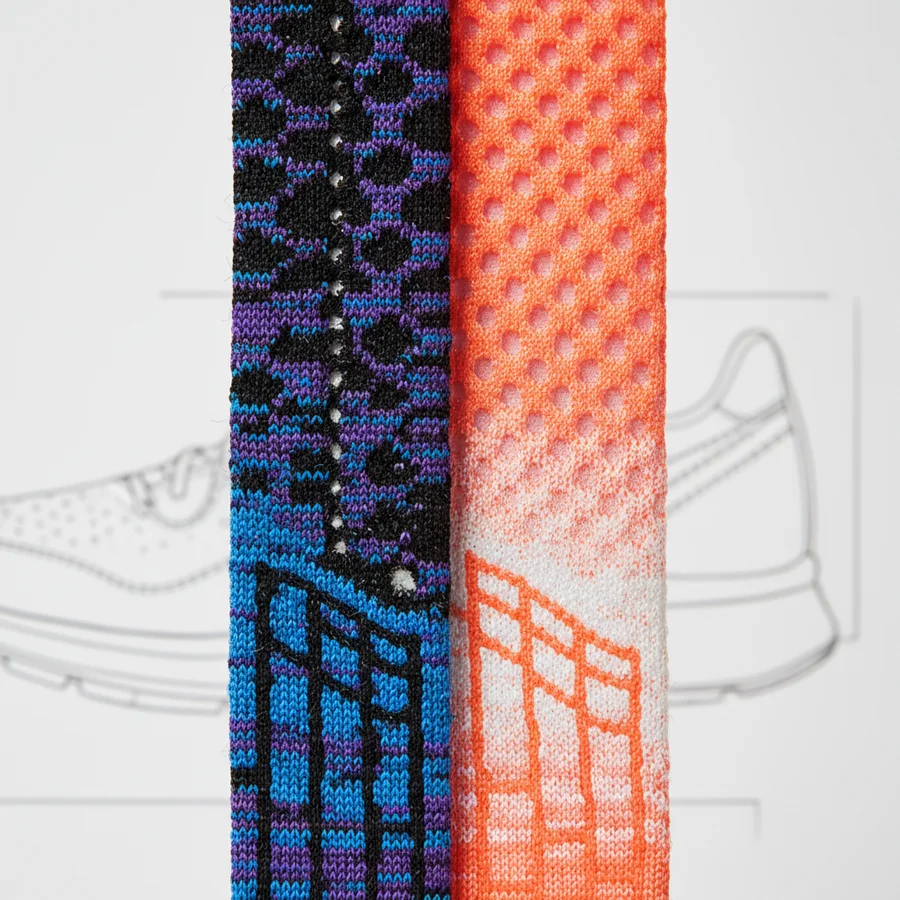
The upper of a sneaker is critical for support, breathability, and fit, often working in concert with the sole to optimize performance. Nike’s relentless innovation in upper materials aims to achieve a ‘second-skin’ feel – where the shoe is so seamlessly integrated with the foot that it’s barely noticeable. These lightweight uppers provide engineered support without bulk, crucial for reducing distraction and maximizing focus. Nike’s development has led to adaptive fit technologies that cater to the unique contours and movements of each athlete’s foot.
How did Flyknit change the way sneaker uppers are made?
Nike Flyknit, introduced in 2012, was a monumental shift in sneaker manufacturing. Utilizing a precise, digitally engineered knitting process, Flyknit creates a seamless, virtually waste-free upper from a single yarn. This innovation allows for areas of targeted support, flexibility, and breathability, mimicking the natural movements of the foot while providing a sock-like feel. Its ability to minimize material waste significantly advanced sustainable materials and manufacturing processes, offering both performance benefits and an environmental advantage. This technology showcases Nike’s commitment to both athletic performance and sustainable design practices.
Beyond Flyknit, what other materials enhance fit and protection?
How does Engineered Mesh offer targeted ventilation and flexibility?
Engineered Mesh is another versatile and widely used material in Nike uppers. Unlike traditional mesh, engineered mesh is created with varying weave patterns in a single fabric panel. Denser weaves provide structure and support where needed, while looser weaves maximize airflow for targeted ventilation. This intelligent design delivers a balance of flexibility, support, and breathability without adding excessive weight, making it a staple in numerous Nike running and training shoes for a dynamic lockdown fit.
What is the role of GORE-TEX in creating all-weather performance shoes?
For athletes who brave the elements, GORE-TEX integration transforms Nike shoes into all-weather performers. GORE-TEX fabrics are renowned for their durable waterproofness and exceptional breathability, forming a barrier that keeps water out while allowing sweat vapor to escape. This technology is strategically applied to ensure feet stay dry and comfortable in wet conditions without sacrificing performance. It’s an essential innovation for trail runners, hikers, and anyone requiring reliable protection in adverse weather.
Is Nike leading the charge in high-performance sustainable materials?
Nike is increasingly leading the charge in sustainable materials within performance footwear, reflected in its ambitious “Move to Zero” initiative. This commitment sees the brand integrating innovative recycled materials like Nike Grind—comprising repurposed rubber, foam, textile, and other surplus materials—into outsoles and midsoles. Additionally, the widespread use of recycled polyesters for Flyknit and other fabric uppers reduces the environmental footprint. By linking to Nike’s sustainability efforts, we see a company striving to create high-performance products that not only enhance athletic ability but also respect the planet. This focus on circular design principles signals a significant step forward in ethical sneaker production.
How Does Nike’s Structural Engineering Create Stability and Propulsion?
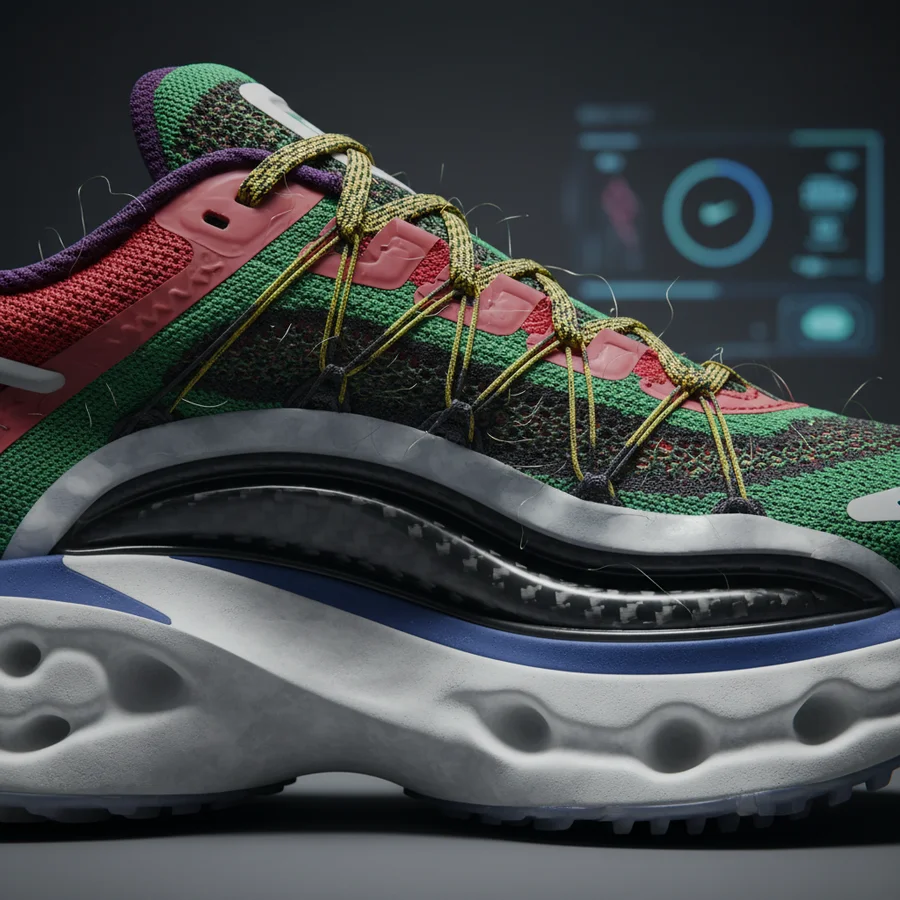
Beyond cushioning and upper materials, Nike’s mastery of structural engineering provides the essential framework for stability, support, and propulsive power. It’s about more than just keeping the foot comfortable; it’s about optimizing biomechanics to harness and direct an athlete’s energy efficiently. These innovations aim to reduce extraneous motion and enhance dynamic lockdown, turning wasted energy into forward momentum. The integration of advanced materials and intelligent design allows for precision foot stability and explosive propulsion, ultimately boosting an athlete’s competitive edge.
What is the function of carbon fiber plates in modern running shoes?
One of the most talked-about structural innovations is the carbon fiber plate, a feature central to the “super shoe” phenomenon. Embedded within the midsole, typically between layers of ZoomX foam, these lightweight, stiff plates act as a spring-like lever. They are designed to stabilize the responsive foam and provide a sensation of forward propulsion, improving running economy by minimizing ankle flexion. This creates a trampoline effect, allowing runners to maintain pace with less energy expenditure, critically contributing to new speed records.
How do technologies like Flywire ensure the foot stays locked in place?
Dynamic lockdown is crucial for preventing unwanted foot movement within the shoe, especially during rapid changes in direction or explosive take-offs. Nike’s Flywire technology addresses this by integrating strong, lightweight filaments (similar to suspension bridge cables) into the upper. These filaments are strategically placed to wrap around the midfoot and arch, tightening when the laces are cinched, providing a snug, adaptive, and highly supportive fit. This targeted midfoot containment keeps the foot stable and secure, translating to more efficient energy transfer and enhanced responsiveness, whether on the track or court.
Which innovations are paving the way for a personalized, adaptive fit?
Nike continues to explore technologies that move towards a truly personalized and adaptive fit. The groundbreaking Nike Adapt auto-lacing technology, inspired by “Back to the Future Part II,” uses an internal lacing engine to conform dynamically to the wearer’s foot, adjustable via a smartphone app. While still evolving, early ventures into 3D-printed uppers like Flyprint showcased the potential for hyper-customized shoes tailored to an individual athlete’s biomechanics. These advancements promise a future where footwear seamlessly adapts to the user’s specific needs, ensuring optimal performance and comfort for everyone.
What Is the Real-World Impact of These Technologies on Sports?

Nike’s technological innovations have transcended mere product upgrades, profoundly impacting sports at every level. From rewriting record books to shaping cultural trends, their designs consistently push the boundaries of athletic achievement. These innovations deliver a significant athletic advantage, pushing human capabilities further than ever imagined, influencing training methodologies and competitive outcomes alike. The competitive edge provided by Nike tech has reshaped various sports, sometimes even sparking debates about the very definition of fairness in competition.
How did Nike tech help Eliud Kipchoge break the 2-hour marathon barrier?
One of the most iconic demonstrations of Nike’s performance technology came in 2019 when Eliud Kipchoge became the first human to break the two-hour marathon barrier. While an unofficial race, his feat was powered by the Nike Alphafly NEXT% prototype, featuring a thick stack of ZoomX foam and multiple carbon fiber plates. This combination optimized cushioning, energy return, and propulsion to an unprecedented degree. Kipchoge’s historic run showcased the synergistic effect of advanced materials, precise engineering, and biomechanical understanding, undeniably giving him a crucial athletic advantage for breaking records.
Which innovations have dominated basketball courts for decades?
Nike’s influence on basketball footwear is undeniable. For decades, technologies like Zoom Air have been essential for explosive power and soft landings, crucial for players performing high-flying dunks and quick cuts. Flywire provides the necessary lockdown for rapid directional changes. Icons like Michael Jordan’s legendary signature line revolutionized both performance and style, inspiring future generations. LeBron James’s signature shoes continue this legacy, integrating Nike’s latest advancements to support the unique demands of his game. These innovations offer vital injury prevention and allow players to reach their peak potential, reinforcing Nike’s enduring dominance on the court.
Has Nike’s technological dominance raised questions of fairness in competition?
The remarkable performance enhancements offered by Nike’s advanced footwear, particularly the carbon-plated racing shoes, have not been without controversy. The term “technology doping” emerged, leading governing bodies like World Athletics to implement regulations on shoe stack height and carbon plate usage to ensure fair play. This debate highlights the delicate balance between technological innovation and the integrity of athletic competition, demonstrating Nike’s profound impact on sport and fashion, pushing discussions beyond mere aesthetics to the ethics of competitive advantage.
What Does the Future Hold for Nike’s Performance Technology?

The future of Nike’s performance technology promises an even more integrated, intelligent, and sustainable approach. Far from resting on its laurels, Nike continues to explore the cutting edge of materials science, digital design, and manufacturing processes. We can anticipate shoes that are not just high-performing but are also deeply connected to the individual wearer, adapting and evolving with their needs. The path ahead points toward personalized footwear that seamlessly combines innovation with ecological responsibility.
How will AI and data analytics create the next generation of footwear?
The next frontier for Nike involves the sophisticated use of AI and data analytics. By leveraging vast amounts of athlete performance data, biomechanical insights, and even genomic information, AI can inform everything from midsole geometry to outsole tread patterns, optimizing designs with unprecedented precision. This allows for hyper-personalized recommendations and truly intelligent footwear that could dynamically adapt its properties during activity, unlocking previously unimaginable levels of performance and a truly personalized experience for athletes.
What can we expect from mass customization and 3D printing?
The promise of mass customization and 3D printing looms large in Nike’s future. Imagine a shoe perfectly tailored to your foot’s unique anatomy, running gait, and performance goals, printed on demand. Advanced additive manufacturing techniques like 3D printing (and technologies like Nike’s Flyprint) have the potential to produce complex geometries and material structures impossible with traditional methods, leading to revolutionary advances in comfort, support, and lightweight construction. This technology will allow for unprecedented design freedom and personalized footwear at scale, moving towards unique athletic advantage for everyone.
Will circular design and sustainability become the new benchmark for performance?
As environmental concerns grow, circular design and sustainability are not just ethical imperatives but will become critical benchmarks for future performance technology. Nike is already integrating sustainable materials and low-waste manufacturing, but the future will see this pushed further. Shoes designed to be easily disassembled, recycled, or even composted after use, with performance features derived from bio-based or infinitely recyclable materials. The goal is to create high-performing products that have zero impact on the environment, where sustainable innovation becomes synonymous with superior athletic advantage.
Conclusion
From the subtle cushioning of an Air bubble to the propulsive force of carbon plates, Nike’s journey is one of constant evolution, proving that the finish line is just a starting point for the next breakthrough. These innovations deliver more than just hype; they provide measurable advantages in speed, comfort, and stability, empowering every user to unlock their potential.
The future points towards a seamless integration of personalization, sustainability, and data-driven design, making footwear smarter and more attuned to the individual than ever before. Ready to experience the pinnacle of performance technology? Don’t just read about the future—run in it.
Frequently Asked Questions
What is considered Nike’s most advanced cushioning system for runners?
For elite racing, ZoomX foam is Nike’s most advanced cushioning, offering the highest energy return. For durable, versatile daily training, React foam is a top choice that balances softness and responsiveness.
How does Nike incorporate sustainability into its performance footwear innovations?
Nike’s “Move to Zero” initiative integrates materials like Nike Grind (recycled shoe materials), recycled polyester, and innovative low-waste manufacturing techniques like Flyknit into its high-performance products without compromising quality.
Are carbon fiber plates in Nike shoes allowed in all competitive sports?
While prevalent in Nike’s elite racing shoes, governing bodies like World Athletics have established strict rules regarding shoe stack height and the number of plates allowed to ensure fair competition. Athletes should always check the regulations for their specific event.
What is the main difference between Nike Flyknit and Engineered Mesh?
Flyknit is a precisely engineered, single-piece upper woven from yarn, offering a sock-like fit and minimal waste. Engineered Mesh is a single layer of fabric with different weave patterns for targeted breathability and structure, making it a versatile and widely used material.
How can I choose the best Nike technology for my needs?
For explosive power in sports like basketball, look for Zoom Air. For maximum energy return in road racing, choose ZoomX. For balanced, cushioned daily runs or workouts, React is an excellent option. For maximum impact absorption and lifestyle comfort, Air Max is the classic choice.